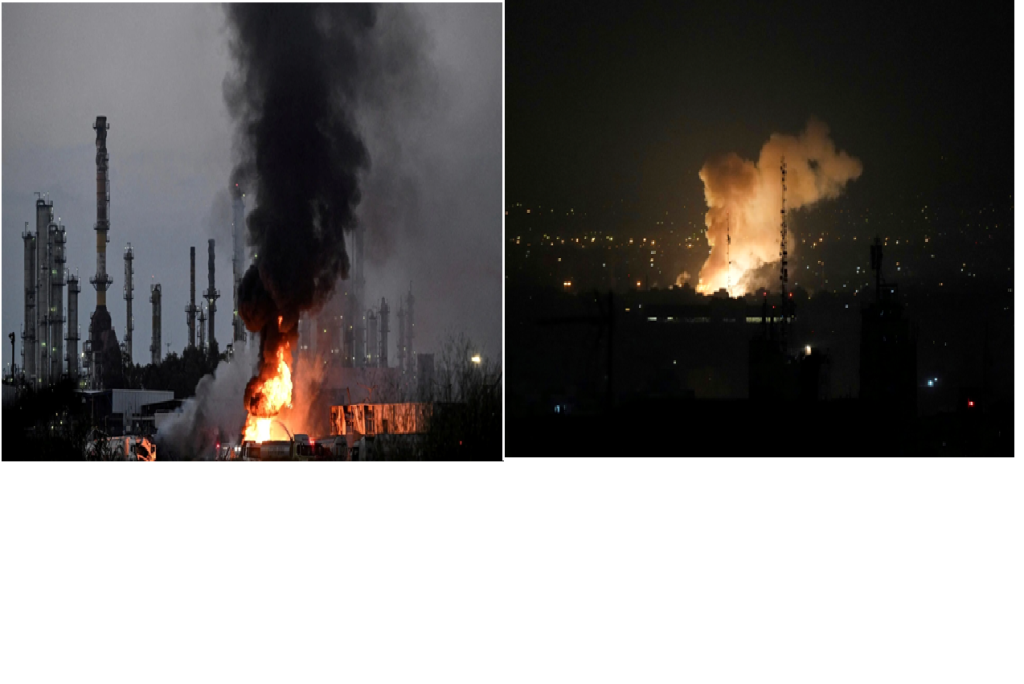
On the evening of June 21, 2025, tensions between the United States and Iran exploded as the U.S. launched surprise airstrikes on multiple nuclear sites across Iran. The operation targeted key facilities believed to be central to Iran’s uranium enrichment and weapons development programs. According to early reports, the bombings hit locations in Natanz, Fordow, and Arak, causing significant damage and sparking fires at several sites.
The U.S. Department of Defense stated the strikes were carried out to “neutralize an imminent threat” after intelligence suggested Iran was accelerating its nuclear weapons program beyond agreed limits.
Iran called the attacks an act of war and vowed to retaliate. State TV showed images of damaged buildings and emergency crews responding to the scenes. The bombing has triggered global concern, with the UN Security Council calling an emergency meeting.
Public reaction around the world is deeply divided. Some praise the move as necessary, while others warn it could spark a wider conflict in the Middle East. With Iran promising a strong response, the next few days will likely determine whether this crisis grows into a regional or even global conflict.
The U.S. bombing of Iran’s nuclear sites marks a major escalation with unpredictable consequences. As global powers react and Iran prepares its response, the world faces a tense period of uncertainty. The strikes may delay Iran’s nuclear progress, but they also risk igniting a broader and more dangerous regional conflict.